
The One Small Habit That Instantly Makes Living in Ingersoll Feel Better

Quick Tip
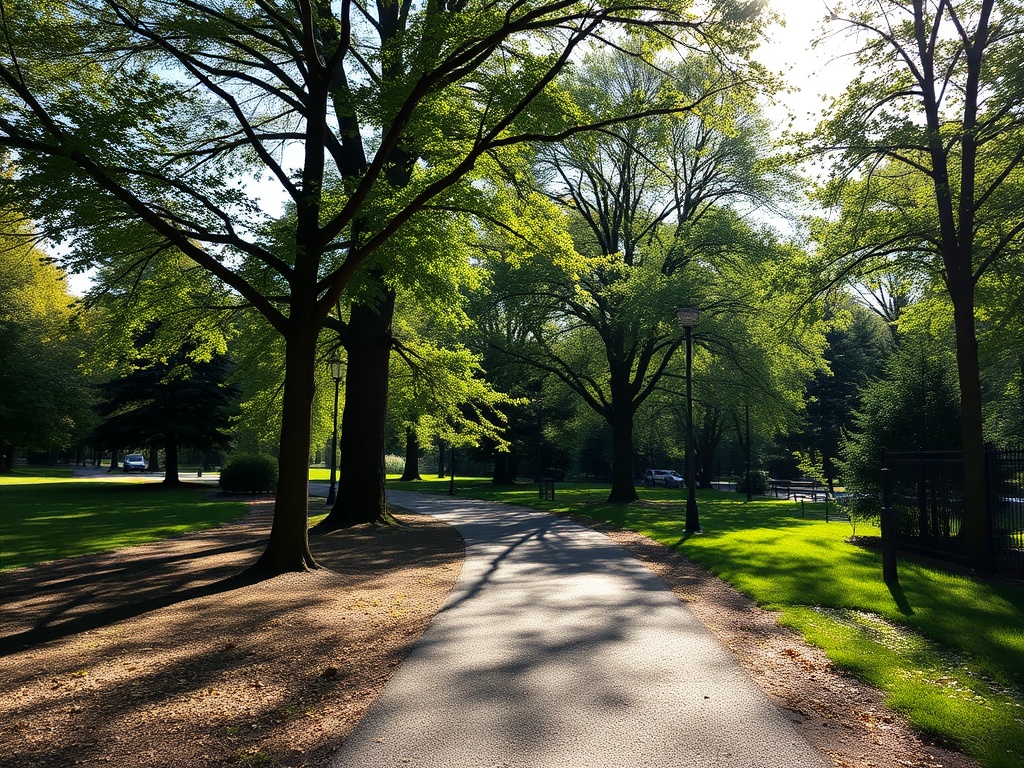
Spend at least 20 minutes outside daily with no goal—just walk or sit and notice your surroundings.
You don’t need a full life overhaul to enjoy where you live more. In a town like Ingersoll, the difference between “it’s fine” and “I actually like being here” often comes down to one simple habit: getting out intentionally, every single day, even for 20 minutes.
This isn’t about productivity or forcing yourself into routines that don’t stick. It’s about choosing to notice your town instead of passing through it on autopilot. And in a place like Ingersoll—quiet, walkable, and full of small details—you’ll feel the shift fast.

Why This Works (Especially in a Town Like Ingersoll)
Big cities overwhelm you into awareness. Ingersoll doesn’t. That’s both its strength and its trap.
If you don’t make a conscious effort to engage with your surroundings, everything blends together: the same streets, the same errands, the same routine. Days blur. Weeks disappear.
But the moment you decide to step outside with intention—even briefly—you interrupt that pattern.
Suddenly, you notice:
- How the light hits Thames Street differently at 6pm
- The small changes in storefronts or front yards
- Who’s actually part of your daily rhythm
- How quiet can feel calming instead of boring

The Habit: 20 Minutes, No Destination Required
Here’s the rule: leave your house for at least 20 minutes a day with no strict goal.
No errands. No checklist. No “I should be doing something.”
Just walk, sit, or wander.
That’s it.
This works because it removes friction. The moment you attach pressure—like “I need to walk 5km” or “I should be productive”—you’ll skip it. But 20 minutes? No pressure, no expectations? That’s doable even on your worst day.

Where to Go (Without Overthinking It)
You don’t need a perfect route. In fact, the less planning, the better. But if you want a starting point:
- Downtown loop: Walk past the shops, even if you don’t go in
- Residential streets: Slower, quieter, surprisingly calming
- Local parks: Sit instead of walk some days
- Same route daily: Notice how it changes over time
The goal isn’t variety. It’s awareness.
What Changes After a Week
This is where most people get surprised.
Within a few days, the town starts to feel different—not because it changed, but because you did.
You’ll likely notice:
- You feel less stuck at home
- Your mood stabilizes, even on stressful days
- You start recognizing familiar faces
- Your sense of time slows down (in a good way)
It’s subtle, but it compounds quickly.

What Most People Get Wrong
They overcomplicate it.
They turn it into a fitness plan. Or a productivity hack. Or something they need the “right mood” for.
That misses the point.
This habit works because it’s low effort and repeatable. The moment it feels like work, it stops working.
If all you do is step outside, walk one block, and come back—that still counts.

How to Make It Stick
If you want this to last longer than three days, keep it simple:
- Anchor it: Right after dinner or before work
- Lower the bar: 10 minutes still counts on bad days
- Don’t track it: This isn’t a streak challenge
- Repeat the same route: Familiarity builds comfort
The goal isn’t discipline. It’s making this feel like a natural part of your day.

Why This Matters More in Smaller Towns
In bigger cities, stimulation is automatic. In Ingersoll, it’s optional.
That means you can either:
- Feel like nothing’s happening
- Or start noticing that a lot is—just on a smaller, quieter scale
This habit flips that switch.
Instead of waiting for something interesting to happen, you become the person who notices what’s already there.

The Real Payoff
After a few weeks, something subtle but important happens: you feel more connected to where you live.
Not in a dramatic, life-changing way. In a steady, grounded way.
The kind that makes ordinary days feel a little better.
And that’s the point.
You don’t need to move. You don’t need to spend more. You don’t need a packed schedule.
You just need 20 intentional minutes.
Start there.